
-

Dates in Death Valley
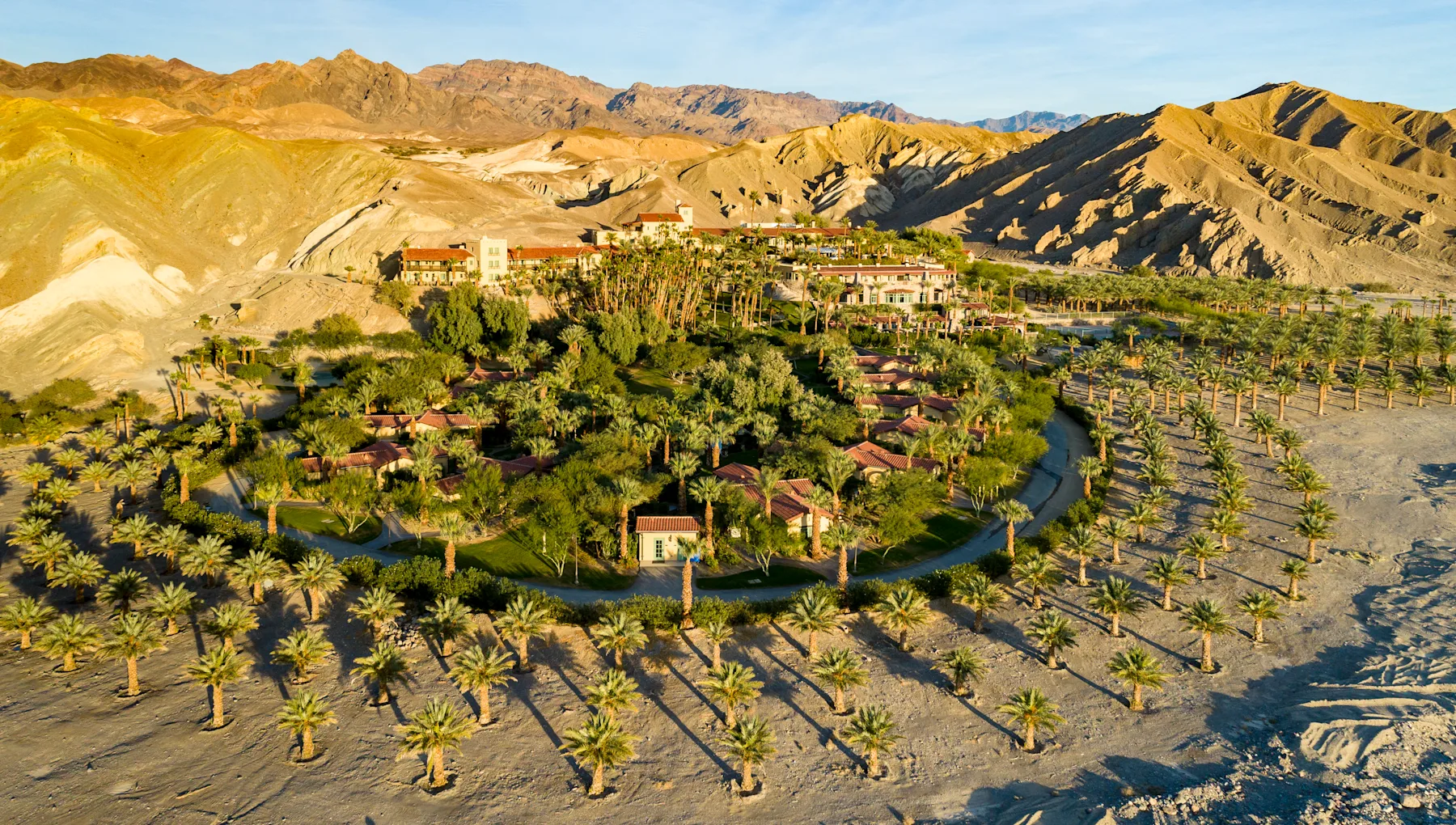
Dates have been part of The Oasis at Death Valley story for more than a century, turning an extreme landscape into one of North America’s most surprising fruit growing success stories.

From Ancient Oases to American Deserts
Long before dates arrived in California, they were a staple crop of desert civilizations from North Africa to the Middle East, thriving wherever groundwater and intense sun met. Growers often summarized their needs with a simple idea: dates like their roots in water and their heads in the heat, making them a natural fit for true oases. When American scientists and growers began looking for high value crops for arid lands in the late 1800s and early 1900s, date palms were an obvious candidate.
Greenland Ranch: An Oasis Before Dates
The land that would become The Ranch at Death Valley started as Greenland Ranch in the 1880s, built to support borax mining rather than tourism. Using water from Travertine Springs, workers carved out irrigated fields for alfalfa, vegetables, fruit trees, and shade—an agricultural outpost in one of the hottest places on earth. Early descriptions mention orchards and gardens that softened the harsh landscape and helped feed the nearby Pacific Coast Borax Company operations. By the early 20th century, Greenland Ranch had proved that with reliable water, even Death Valley could sustain lush plantings.

Bringing Date Palms to Furnace Creek
Dates arrived later, as part of a wave of experimentation with desert crops across the American Southwest. Historical records indicate that date palms were introduced at Furnace Creek Ranch around 1921–1922, probably at the suggestion of Pacific Coast Borax officials searching for a profitable and symbolic “oasis” crop. According to The Oasis at Death Valley’s own account, the Ranch received free date palms from a discontinued U.S. Department of Agriculture project in Arizona and planted them in the irrigated grounds. Death Valley’s intense heat and arid, pest free environment made it an intriguing natural laboratory for the young California date industry.
Hand Pollinatin in the Hottest Place on Earth
Growing dates at Furnace Creek turned out to be as much art as science. Because bees were not reliably present in the extreme environment, workers had to hand pollinate the palms, climbing tall ladders to brush pollen from male inflorescences onto female flowers. The Ranch’s climate offered a major advantage: the dry air and isolation meant the palms suffered from few insects or diseases, allowing the groves to flourish once established. These conditions echoed the best Old World oases, where growers had hand pollinated dates for centuries to secure reliable crops.

A Thriving Date Grove at The Ranch
Over time, the experimental planting at Furnace Creek grew into a substantial commercial grove. The Ranch eventually supported about 1,500 date palms, many of them the prized Deglet Noor variety that had become a favorite of California growers for its semi dry, honeyed fruit. At its peak, the operation produced roughly 200 tons of dates each year, with fruit harvested, graded, and sold commercially far beyond Death Valley. An additional orchard below The Inn at Death Valley was also planted, though it struggled with difficult conditions and was abandoned in the 1940s.
Commercial date production at The Ranch continued for decades, linking the property to the wider California date industry centered in the Coachella and Imperial valleys. Eventually, in 1996, The Oasis phased out commercial harvesting as its focus shifted more fully to hospitality and preservation, though many of the historic palms still stand today.
Death Valley and the California Date Boom
The story of dates at Furnace Creek fits into a larger regional movement to transform desert landscapes into productive agricultural districts. Beginning in the late 19th century, federal scientists and growers in places like Coachella and Imperial valleys imported elite varieties from North Africa and the Middle East and established experimental stations, including a notable Date Experimental Station at Mecca, California, in 1904. Researchers refined irrigation techniques and standardized hand pollination, helping turn dates into a signature crop of the American Southwest.
Marketers leaned into the exotic appeal of the fruit, building Middle Eastern themed festivals, roadside stands, and “Arabian Nights” imagery around California dates. In this context, a date grove at an actual desert oasis in Death Valley was more than an agricultural test—it became part of a broader cultural story tying romance, exploration, and desert hospitality together.
Other Date Oases Near Death Valley
Beyond The Oasis at Death Valley itself, the larger region saw other small‑scale date ventures that echo the same blend of ingenuity and oasis mystique. At China Ranch, near Tecopa along the Amargosa River, growers have cultivated dates in a hidden canyon that benefits from groundwater and sheltering cliffs, creating another unlikely green pocket on the edge of the desert. These farms underscore a shared pattern: wherever water surfaces in the Mojave, people have tried to coax dates from the landscape. China Ranch is now the main supplier of dates to The Oasis at Death Valley.

Dates in the Culinary Life of The Oasis
As the groves matured, dates moved from field to table and quickly became part of the guest experience at Furnace Creek. By the 1930s, house baked date bread had become a staple at The Inn Dining Room and remains a favorite today, also available at The Ranch’s General Store. Guests have long cooled off with thick, creamy date shakes, blending local fruit with ice cream to create the ultimate Death Valley treat.
On the breakfast menu at The Inn Dining Room, guests can order pancakes served with Deglet Noor date butter, a rich spread that showcases the variety that once dominated the Ranch’s orchards. Seasonal and special menus frequently highlight dates in salads, desserts, and sauces—whether folded into nut breads, paired with cheese on appetizer boards, or used to add natural sweetness to sauces and glazes. These dishes connect today’s travelers directly to the property’s agricultural roots, turning a historic crop into a modern culinary signature.
Why Dates Love Death Valley
Despite its harsh reputation, the Death Valley region offers exactly what dates need: long, intensely hot summers, low humidity, mild winters, and access to groundwater from springs and aquifers. The climate mirrors the world’s great date growing regions more closely than almost anywhere else in North America, promoting high sugar development and reducing disease pressure.
That combination allowed Furnace Creek to become a key site in the early history of California dates, even though most large scale production ultimately centered in valleys like Coachella. Today, the surviving palms at The Oasis at Death Valley and nearby farms like China Ranch stand as reminders that with the right water and careful attention, exceptional fruit can thrive even below sea level.
Walking Under the Palms Today
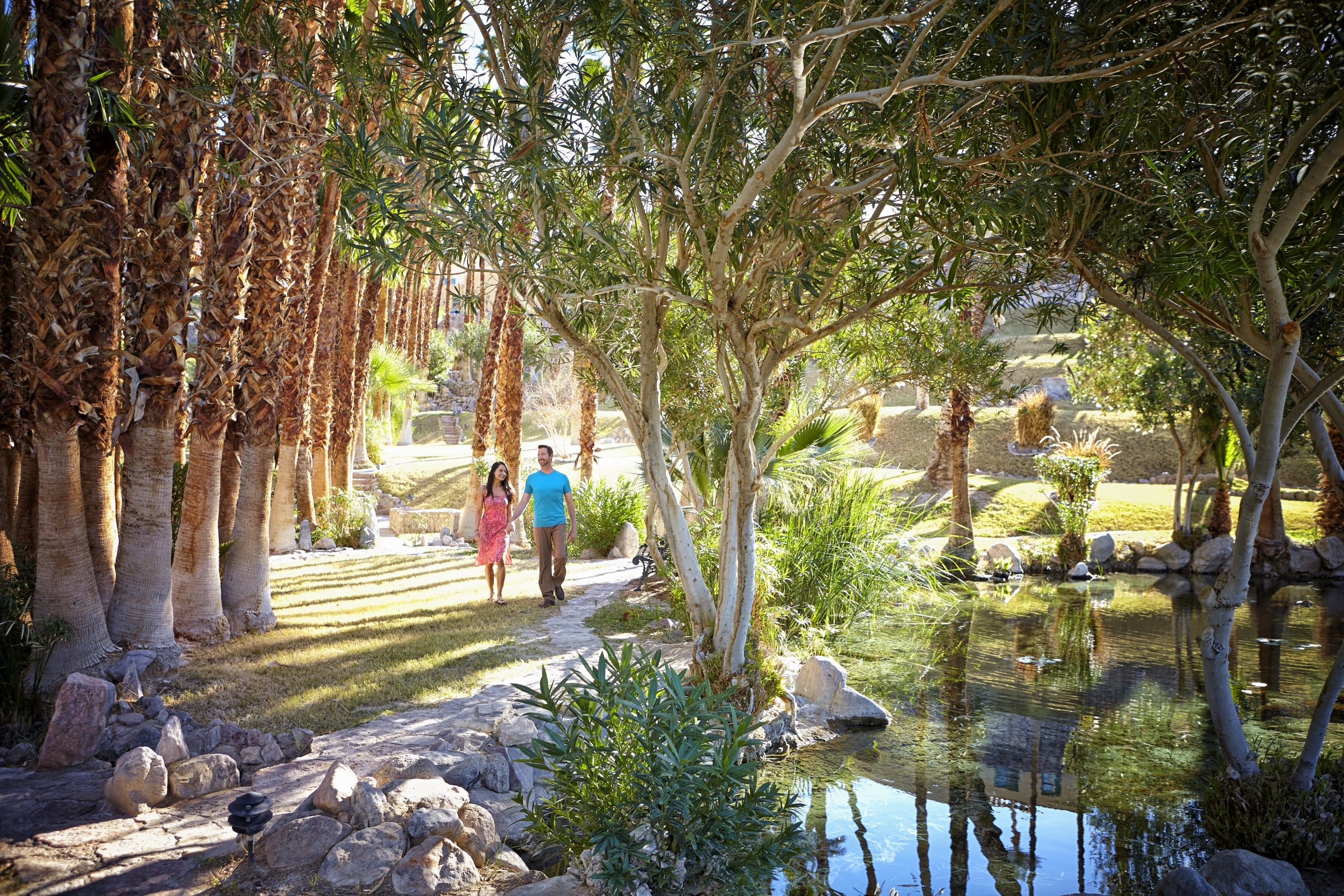
Today, guests at The Oasis at Death Valley still stroll beneath historic palms whose ancestors arrived as part of early 20th century experiments in desert agriculture. While large scale commercial harvesting ended in the 1990s, the remaining groves continue to shape the feel of the property, casting tall shadows over walkways and lawns and visually anchoring The Ranch and The Inn as a true oasis. Interpretive materials and property stories highlight this legacy, inviting visitors to see the palms not just as scenery, but as living links to the borax era, the rise of California’s date industry, and a long global tradition of cultivating fruit in the world’s driest places.
For more information about The Oasis at Death Valley, visit OasisAtDeathValley.com