

-

How Yellowstone Changed the World
-
The story of the world’s first national park
Stand still for long enough in Yellowstone National Park and you begin to feel a landscape whose history reaches far back in time and holds countless tales. In 1872, one of those stories changed everything, influencing how people would come to see and protect places like Yellowstone around the world.
More than 11,000 years ago, archaeological evidence shows that people were living in and moving through what is now known as Yellowstone National Park. For much of the world, however, the region remained unknown.
When explorer John Colter left the Lewis and Clark Expedition to travel alone through the region, his descriptions of what he had seen and experienced were met with disbelief. He spoke of boiling mud, kaleidoscopic hot springs, mineral terraces, and water shooting skyward from the earth itself. His accounts were dismissed as exaggeration, and skeptics mockingly referred to the place as “Colter’s Hell.”
It wasn’t until the expeditions of 1870 and 1871 that perceptions began to shift. Surveyors, artists, and photographers documented the region, and what had once sounded impossible began to be recognized as a national wonder.
On March 1, 1872, that evidence led to a turning point: President Ulysses S. Grant signed the Yellowstone National Park Protection Act into law, creating the country’s first national park. It would go on to become a global model for protected areas, influencing the creation of over 1,200 national parks in more than 100 countries.
It was a bold decision, though its significance was not fully understood at the time. It set aside a landscape shaped by geothermal forces and wildlife, protecting it from commercial development.
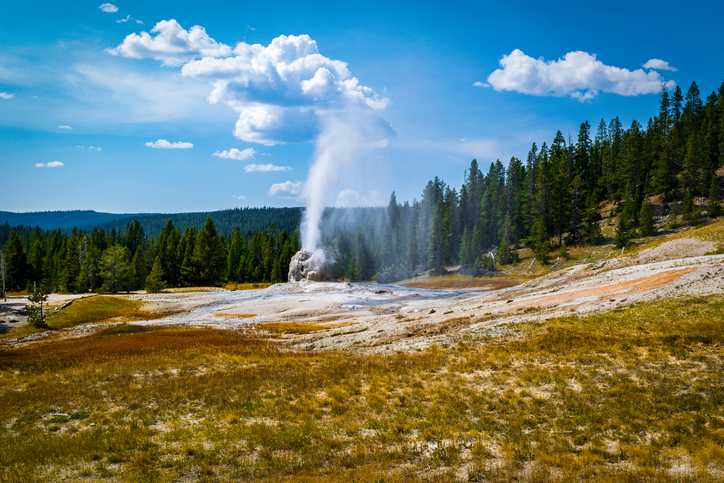
Over time, its importance became undeniable. Yellowstone contains the largest concentration of thermal features on Earth, including more than 10,000 hot springs, geysers, fumaroles, mud pots, and terraces, and over 500 active geysers. Among them, Steamboat, the tallest active geyser in the world, can propel water more than 350 feet into the air.
A Myth Debunked
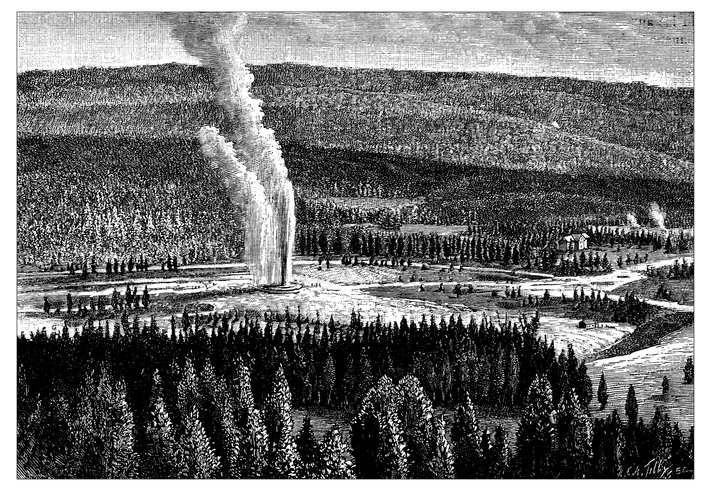
The idea that Yellowstone was untouched by humanity is misleading. For thousands of years before it became a national park, Native Americans lived in and traveled through this region. They hunted and fished, gathered plants, quarried obsidian, and used the thermal waters for both practical and spiritual purposes.
When the park was established, many of these communities were displaced by government and military forces. In the years that followed, a narrative emerged claiming Native Americans had not occupied the area because they were “afraid of the geysers.” Archaeological evidence, highlighted by anthropologist Douglas H. MacDonald, shows Native presence in the region dating back to the time of mammoths and mastodons.
Today, more than 1,800 archaeological sites have been identified within Yellowstone, though only a small fraction of the park has been thoroughly investigated. As this growing body of evidence reshapes our understanding of the region’s deep history, it also underscores its living connections.
Twenty-seven Native American tribes are now officially associated with Yellowstone National Park, maintaining enduring ties to its lands and resources. In 2022, the Yellowstone Tribal Heritage Center opened at Old Faithful, creating a dedicated space for Indigenous voices and perspectives within the park.
A National Park in the Making
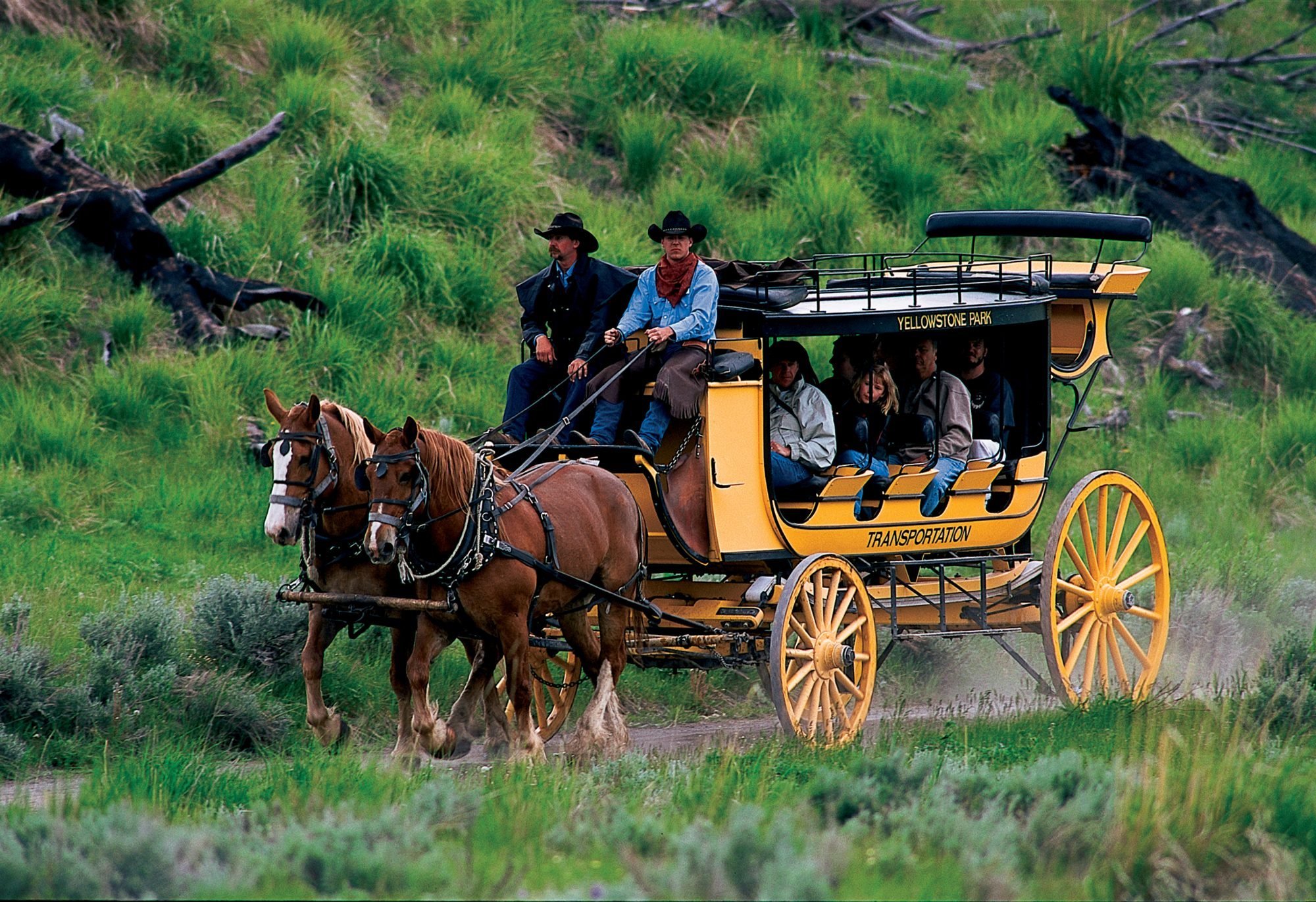
In its early years, Yellowstone existed more on paper than in practice, as the 1872 act established the park without creating a system to manage it. The first civilian superintendent, Nathaniel Langford, had no salary or staff and rarely visited, as he remained occupied with other positions.
His successor, Philetus W. Norris, took a more active role, overseeing road construction, developing visitor facilities, and hiring the park’s first gamekeeper, Harry Yount, widely regarded as the first national park ranger. Despite these efforts, enforcement remained weak, and poaching, logging, and damage to geothermal features continued.
In 1886, management passed to the United States Army, which operated from Fort Yellowstone in Mammoth Hot Springs and oversaw the park for more than three decades. Buffalo Soldiers, African American regiments of the U.S. Army, played a crucial role in the early protection of Yellowstone National Park from the 1890s into the early 1900s before the National Park Service existed. They patrolled against poachers, fought fires, and built infrastructure, including the 1896 experimental bicycle corps ride through the park.
Many of the structures built during that period still stand today, and the conservation practices developed there would later help shape the creation of the National Park Service in 1916. As visitor numbers grew, major lodges such as Old Faithful Inn and Lake Hotel were built, reflecting what is now known as early 20th-century “parkitecture,” and the park became increasingly structured and accessible.
Yellowstone eventually shifted to civilian management under Superintendent Horace M. Albright, whose leadership helped establish standards that would influence national park management across the United States. Many of the early civilian rangers and administrators had prior military service, carrying forward experience from army stewardship into the emerging National Park Service system.
A New Era of Stewardship
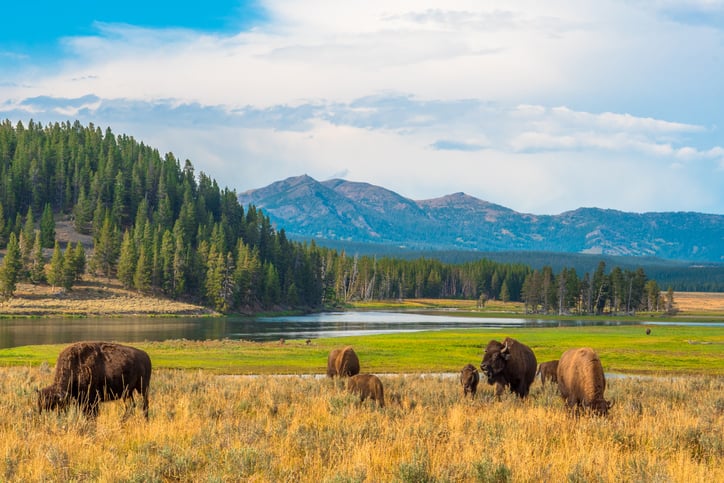
Yellowstone has long needed people to help protect and sustain it. Today, Xanterra Travel Collection® is the park’s primary authorized concessioner, operating nine lodges, four campgrounds, an RV park, and a network of restaurants, bars, and visitor services across the park under Yellowstone National Park Lodges.
Stewardship in Yellowstone has taken different forms over time, from Indigenous communities who have long lived with and maintained relationships to the land, to early preservation efforts, and now to a modern system dedicated to balancing access with care. It remains a quiet responsibility, reflected in every visit, in how people move through the park, stay in it, and leave it behind.
For more information about Yellowstone, visit YellowstoneNationalParkLodges.com.