

-

Two Seasons, Two Worlds
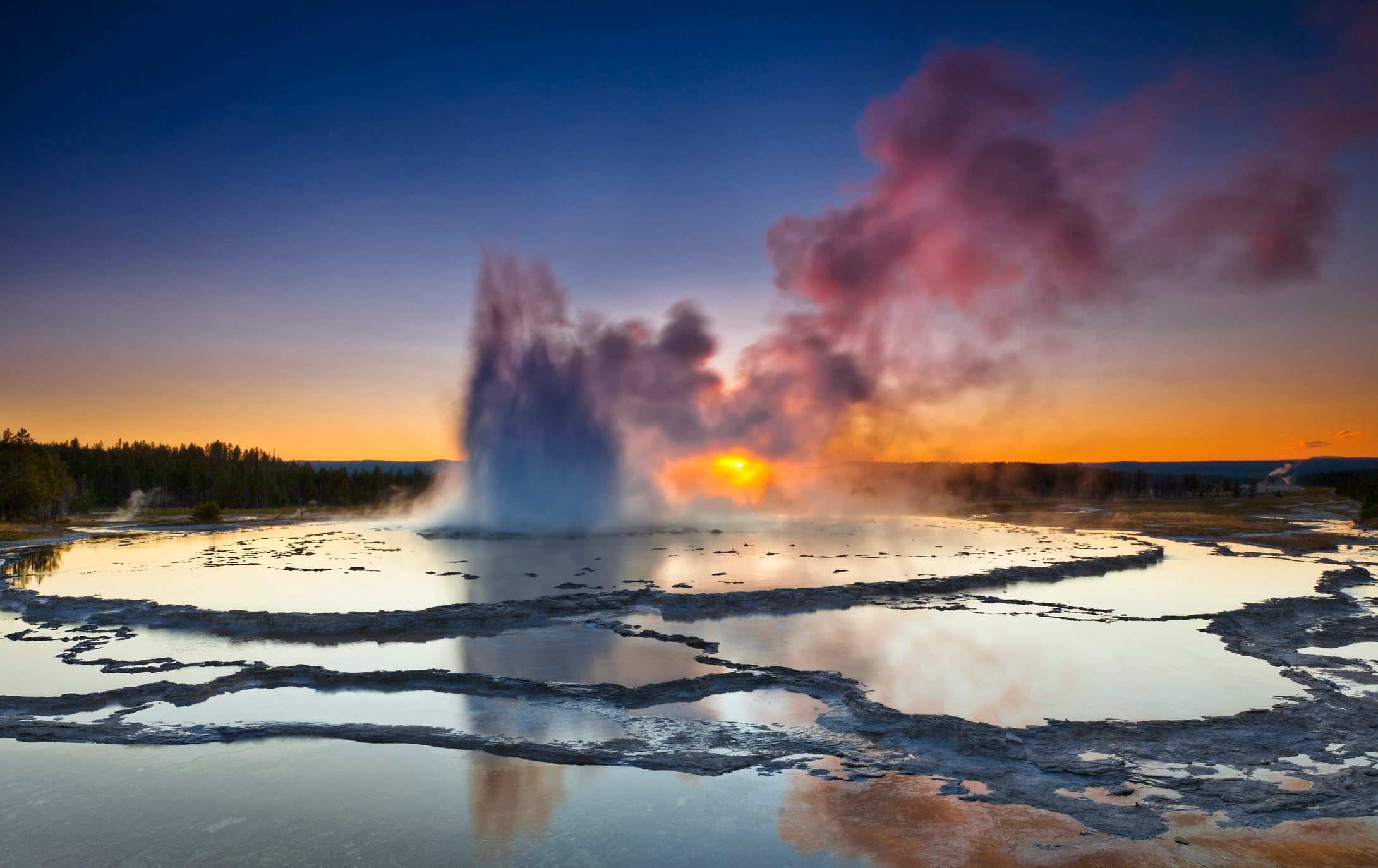
Journey through Yellowstone’s stunning transformation, from summer’s vibrant energy to winter’s quiet wonder.
Yellowstone National Park wears two faces, and both will leave you breathless. America’s oldest national park has been drawing visitors since the 1870s because of its vast landscape of towering peaks, thundering waterfalls, and diverse wildlife. But what truly sets Yellowstone apart is its ability to become two entirely different worlds.
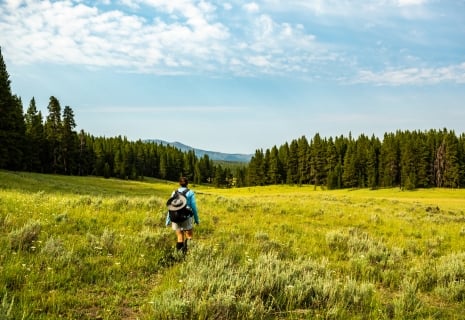
In summer, Yellowstone feels alive — trails wind through sun-dappled forests, meadows hum with the buzz of insects, and rivers rush with energy. Bison and elk roam the valleys, while bears and wolves pace the distant treeline. Even the smallest moments — a butterfly landing on a lupine flower — fill the senses with color and sound.
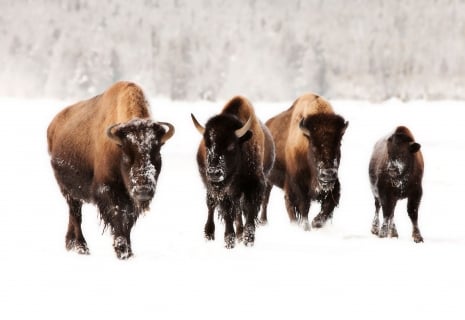
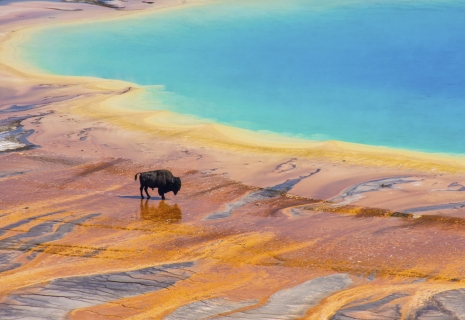
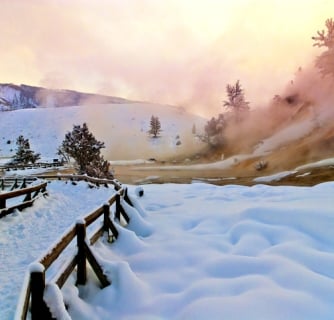
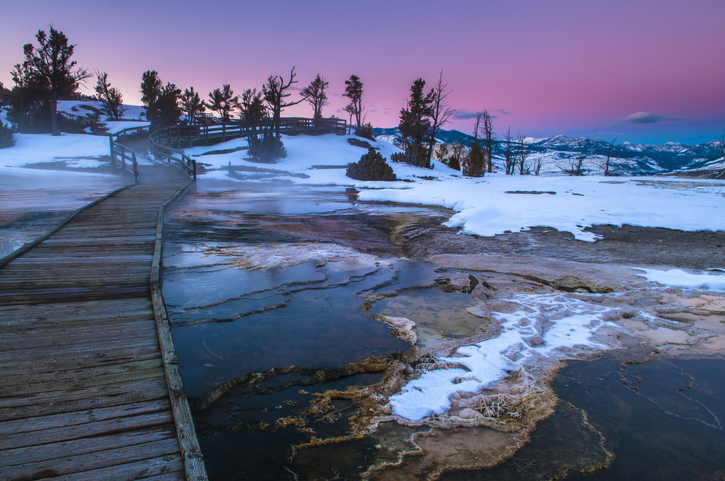
Come winter, the transformation is awe-inspiring. Snow hushes the landscape, the crunch of boots and skis carries across open hills, and steam rises into the frozen air from geysers and hot springs. A lone bison, dark against the white expanse, looks like something out of a painting.
The Park That Stuns the Senses
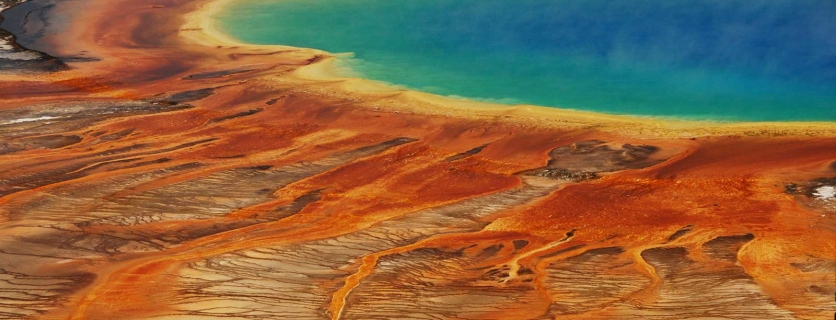
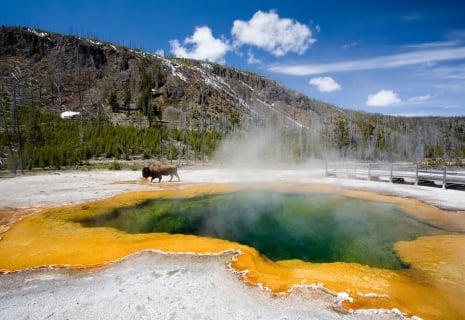
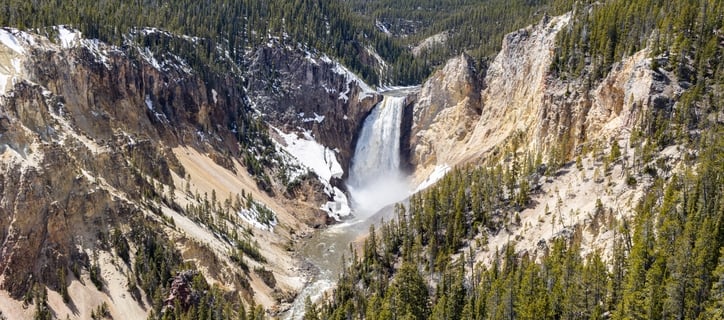
Yellowstone is vast. You could spend a lifetime here and still only scratch the surface. More than 1,100 miles of trails weave through the park, which is home to more than 600 lakes and ponds — all threaded along more than 2,500 miles of winding rivers. Exactly 290 waterfalls cascade over cliffs, while more than 40 peaks rise above 10,000 feet. Ten thousand thermal features hiss and bubble across the landscape, filling the air with a mineral scent that hints at the earth’s power. Even after days of hiking, driving, or boating, this magnificent park reveals just enough to leave visitors eager to return.
Summer Energy in Full Bloom
Yellowstone sees its busiest visitors between June and September, when roads, trails, and lodges, restaurants, and campgrounds are open. The park buzzes with activity.
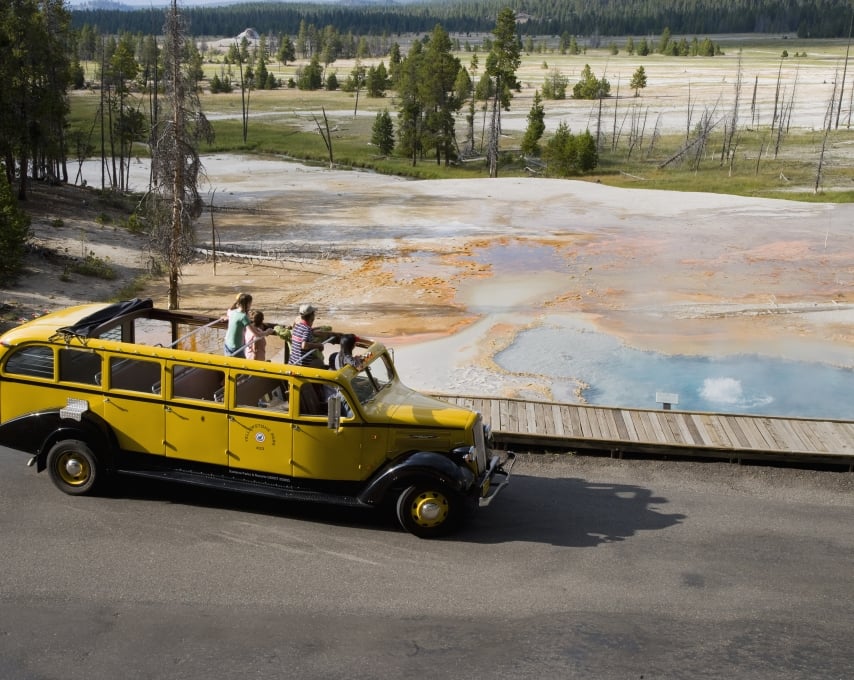
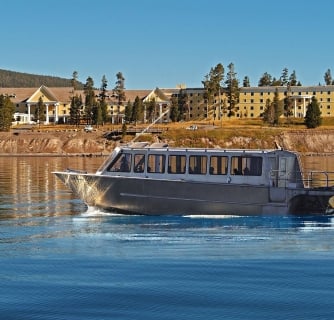
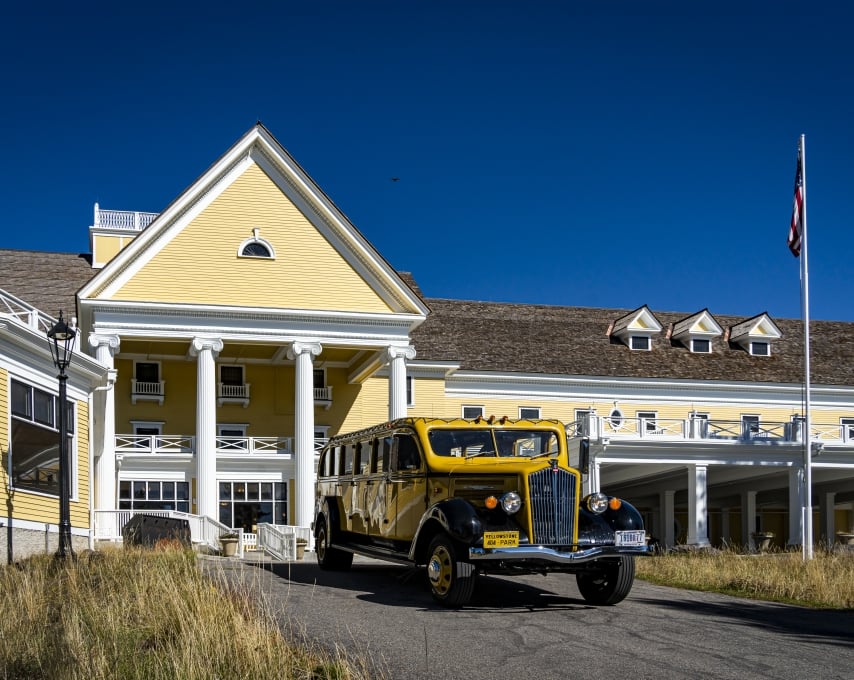
You can take a boat out on Yellowstone Lake, the largest high-altitude lake in North America, cast a line, and catch-and-release a native cutthroat trout while soaking in sweeping views of the Absaroka Range and West Thumb Geyser Basin. Hike or bike along trails like the Lone Star Geyser Trail and watch bald eagles swoop overhead. Or ride a stagecoach, enjoy a cowboy cookout, or tour the park aboard a historic Yellow Bus. Each vehicle has a nickname, so keep an eye out for the fleet’s star, “Hollywood,” which appeared in an episode of M*A*S*H and the movie Big Trouble in Little China.
Roads and visitor centers make getting around simple, while Yellowstones’s nine lodges and 26 restaurants provide comfortable bases for adventure and dining. On summer evenings, the Lake String Quartet plays in the sunroom at the Lake Yellowstone Hotel, the park’s oldest operating hotel.
Wildlife abounds in summer: bears forage along riverbanks, bald and golden eagles soar in search of prey, and elk and bison calves stumble after their mothers. Vacation Packages like the 2026 Wild Yellowstone: Tracks to Talons program allow travelers to observe wolves, bears, and other carnivores while learning about their behaviors, hunting strategies, and roles in the ecosystem. Field educators provide spotting scopes and binoculars, so you can study wildlife up close without disturbing it.
Winter Solitude and Magic
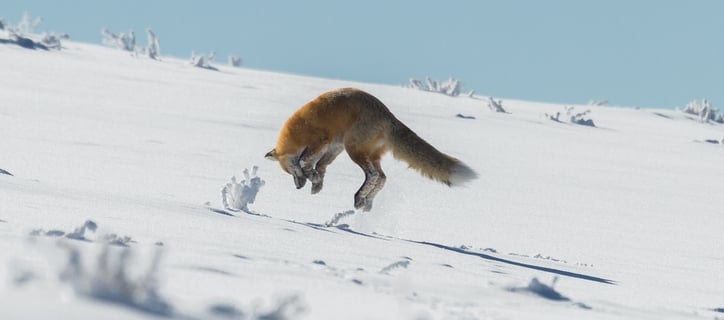
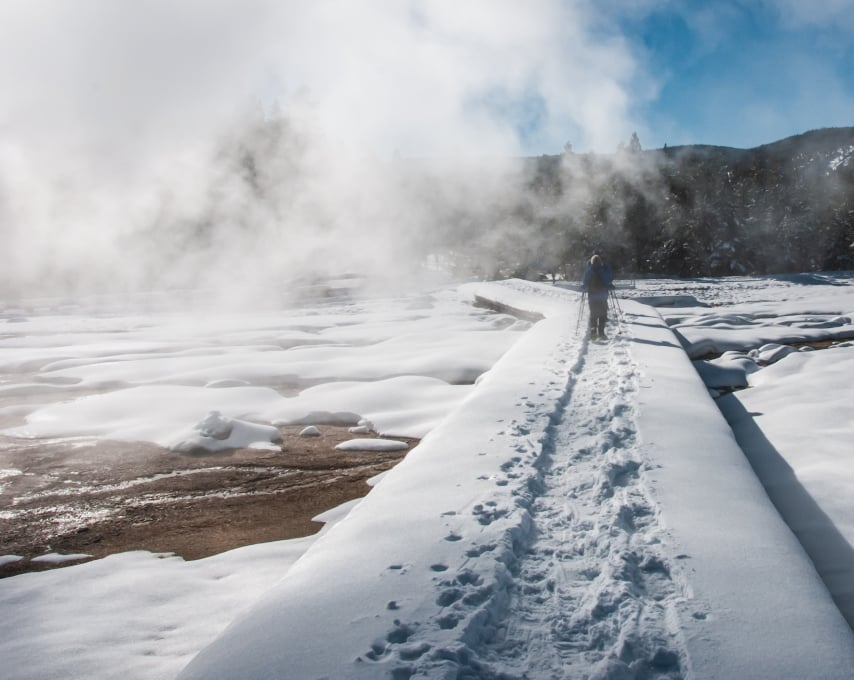
Winter is a completely different story as Yellowstone transforms into a world of quiet wonder. Only 3% to 5% of the park’s roughly 4.7 million annual visitors arrive when snow blankets valleys and peaks, sometimes 10 to 20 feet deep. You will feel as if you have the park to yourself.
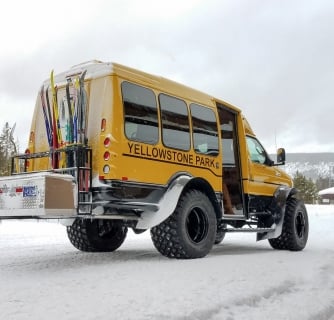
Winter exploration feels intimate and immersive. Yellowstone snowcoaches, their massive tires gliding over groomed snow roads, carry small groups on photo safaris and wildlife-watching tours past steaming geyser basins and frosted waterfalls — the ultimate 21st-century sleigh ride. Cross-country skiing or snowshoeing leaves tracks that vanish under fresh powder, while bison plow through drifts with muscular grace and wolves slip silently through icy forests. In thermally heated soil, wildflowers bloom improbably, tiny bursts of life amid frozen silence.
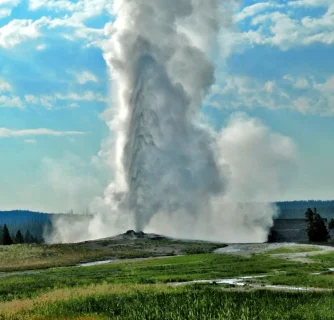
At night, Yellowstone’s dark skies reveal constellations so bright they feel almost within reach. Old Faithful erupts in the quiet, with steam and water glowing softly by lamplight or moonlight, often watched by only a handful of people.
With daytime temperatures hovering between 0 and 20 degrees Fahrenheit, returning to Yellowstone’s lodges after a day outdoors is bliss. Two of Xanterra’s nine lodges — Old Faithful Snow Lodge and Mammoth Hot Springs Hotel — remain open in winter, offering cozy spots to warm up and rest. Enjoy a steaming cup of cocoa by a cozy lodge fireplace as you soak up every last bit of Yellowstone’s winter magic.

A Park That Never Repeats
Yellowstone’s dual personality offers something so incredibly rare: the same landscapes felt in two completely different ways. One season sings, the other whispers. And in both, Yellowstone’s scale, history, and wild beauty leave an impression that will stay with you forever.
For more information about Yellowstone, visit YellowstoneNationalParkLodges.com