

-

Your Ultimate Death Valley Hiking Guide
Home to some of the most unique desert landscapes in the world, Death Valley National Park offers unforgettable hiking experiences for every type of adventurer. Whether you’re searching for the best hikes in Death Valley National Park, scenic walking trails, or challenging backcountry adventures, you’ll find routes that lead through colorful canyons, towering sand dunes, volcanic craters, and breathtaking mountain vistas. From iconic trails to hidden gems, these must-do Death Valley hikes showcase the park’s incredible geological diversity and offer some of the most memorable outdoor experiences in the American Southwest.

Mosaic Canyon
Distance: 4 miles
Duration: 2.5-3 hours
From The Oasis at Death Valley: 37 minute drive
From Furnace Creek, take Highway 190 northwest for 27 miles. Pass through the small resort hamlet of Stovepipe Wells and turn left up Mosaic Canyon Road. Take this well-maintained dirt road 2 miles to the trailhead. From the parking lot at the mouth of the canyon, it is just a short walk into Lower Mosaic Canyon.
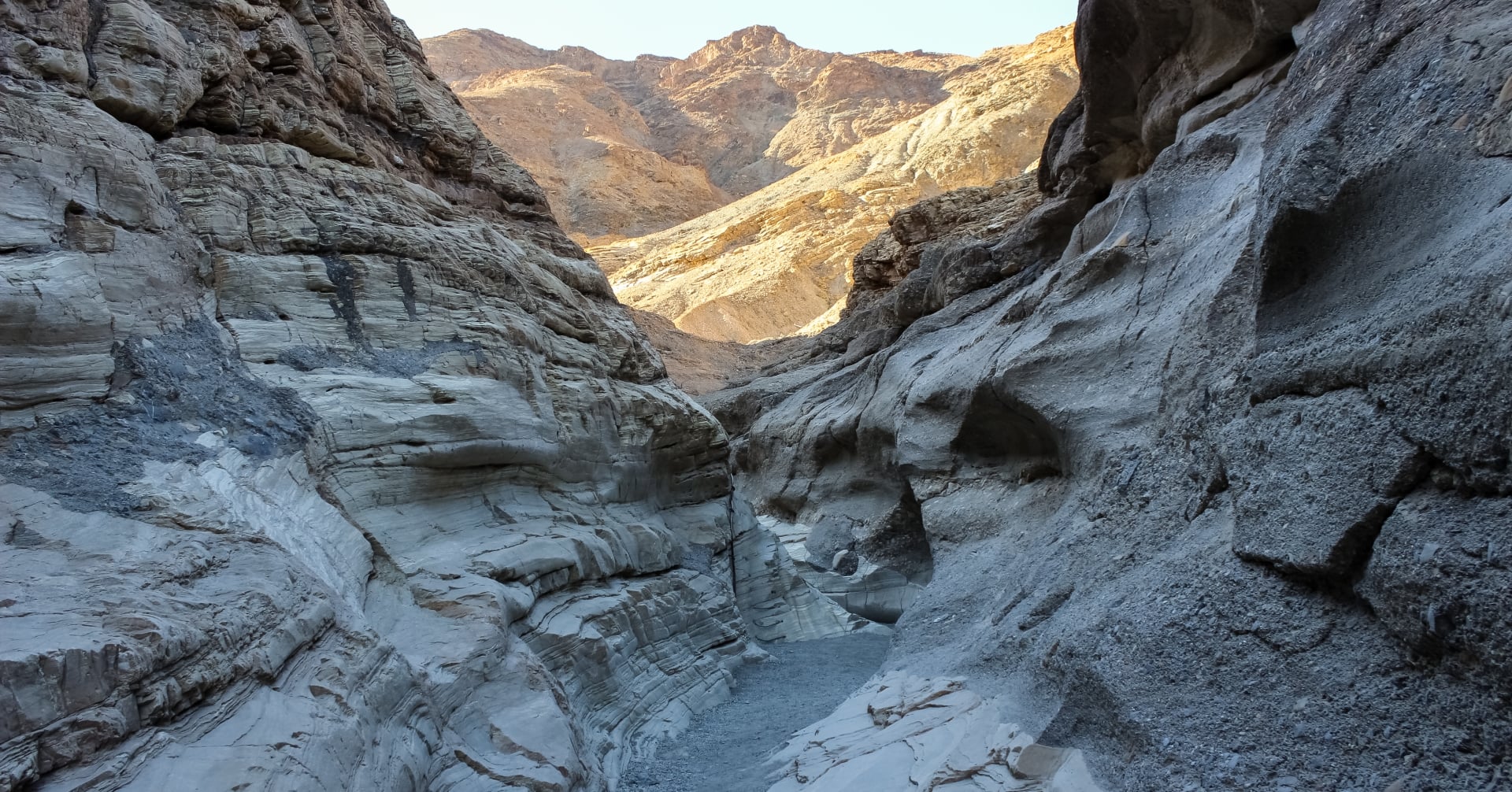
Walled with both mosaic conglomerates and smooth marbleized rocks, Mosaic Canyon is a fine specimen of the geology of Death Valley National Park. The Marble Canyon Trail travels up the canyon bottom past all the interesting features for an outing of 1 to 4 miles round trip.
Mosaic Canyon continues beyond the lower canyon. Head uphill across the massive gravelly wash. After roughly half a mile, the massive wash narrows again. Here the canyon walls present more of the “mosaic breccia” conglomerate rocks for which the canyon is named. Boulders across the canyon provide fun and easy obstacles until they give way to a 20-foot dry falls. This is the second popular turnaround point, but footpaths along the western slope make it possible to get to the top of the dry falls and farther up the canyon (which eventually becomes less passable).
Mosaic Canyon is frequently recommended to new visitors by park rangers, which means it can be crowded at times. Nevertheless, the canyon is very interesting, and even the short version of this hike is quite enjoyable. The hike to the dry falls and back is four miles round trip with 750 feet of elevation change.
Out-and-back hike within polished marble narrows filled with unique color patterns. Use caution on the rock surfaces. The gravel roads are typically passable with a vehicle.

Ubehebe Crater
Distance: 2 miles
Duration: 1 hour
From The Oasis at Death Valley: 70 minute drive
Ubehebe Crater is located in the north end of Death Valley National Park near the Eureka Dunes and Scotty’s Castle. A parking lot along the rim provides a great view of the crater, and three trails offer even more.
Option 1: “Down the Crater”
This trail leads off with a quick, easy descent to the crater floor, but there is a steep 600-foot climb back to the rim .
Option 2: “Little Hebe Trail”
This one-mile out-and-back follows the western rim to a much smaller adjacent crater, Little Hebe. Along the way, hikers get a good view of the belt of yellow and orange stone, which divides the eastern wall of the crater. Beyond the crater, one can see an expansive cinder field darkening the desert floor.
Option 3: “The Rim Trail”
Continue past Little Hebe on this 2-mile circuit around the crater back to the parking lot. Much of the sandy rim is level, but the west side of the crater is 270 feet higher. That, plus the soft terrain, makes this just a bit more than a stroll.

Fall Canyon Trail
Distance: 6 miles
Duration: 4.5 hours
From The Oasis at Death Valley: 70 minute drive
From The Oasis at Death Valley: 1 hourFall Canyon is located in the Grapevine Mountains, towards the less-traveled north end of Death Valley National Park. It is one of many colorful ravines in the hills surrounding Death Valley in California; shaped by occasional flash floods that flow from the higher mountains beyond, the canyon is remote and little-visited; deep and moderately narrow for many miles, with occasional shaded, cave-like passageways of great beauty. Some of these narrow, twisting sections are enclosed by smooth granitic walls with an unusual bluish tint.
As with most other Southwest canyons, the rocks are layered, but quite differently to the orderly slot canyons of Utah—here the strata are multi-colored, buckled, twisted and eroded, the result of ancient geological forces. Fall Canyon is easily reached and offers a perfect wilderness experience, though it should be avoided during the midday hours in summer months when the weather becomes too extreme.
Note: Hikers should carry adequate water to stay hydrated when exploring Death Valley National Park. Bring more than you think you need!